Asset Based Community Development
Led by senior headman Mponda and Gladys Mponda
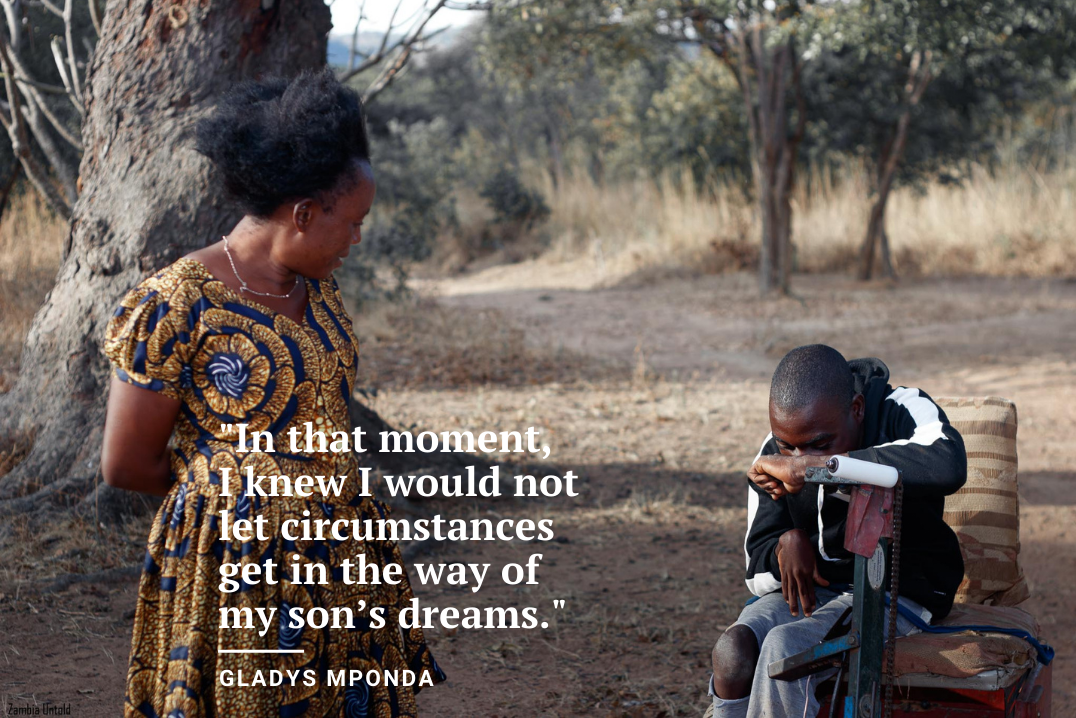
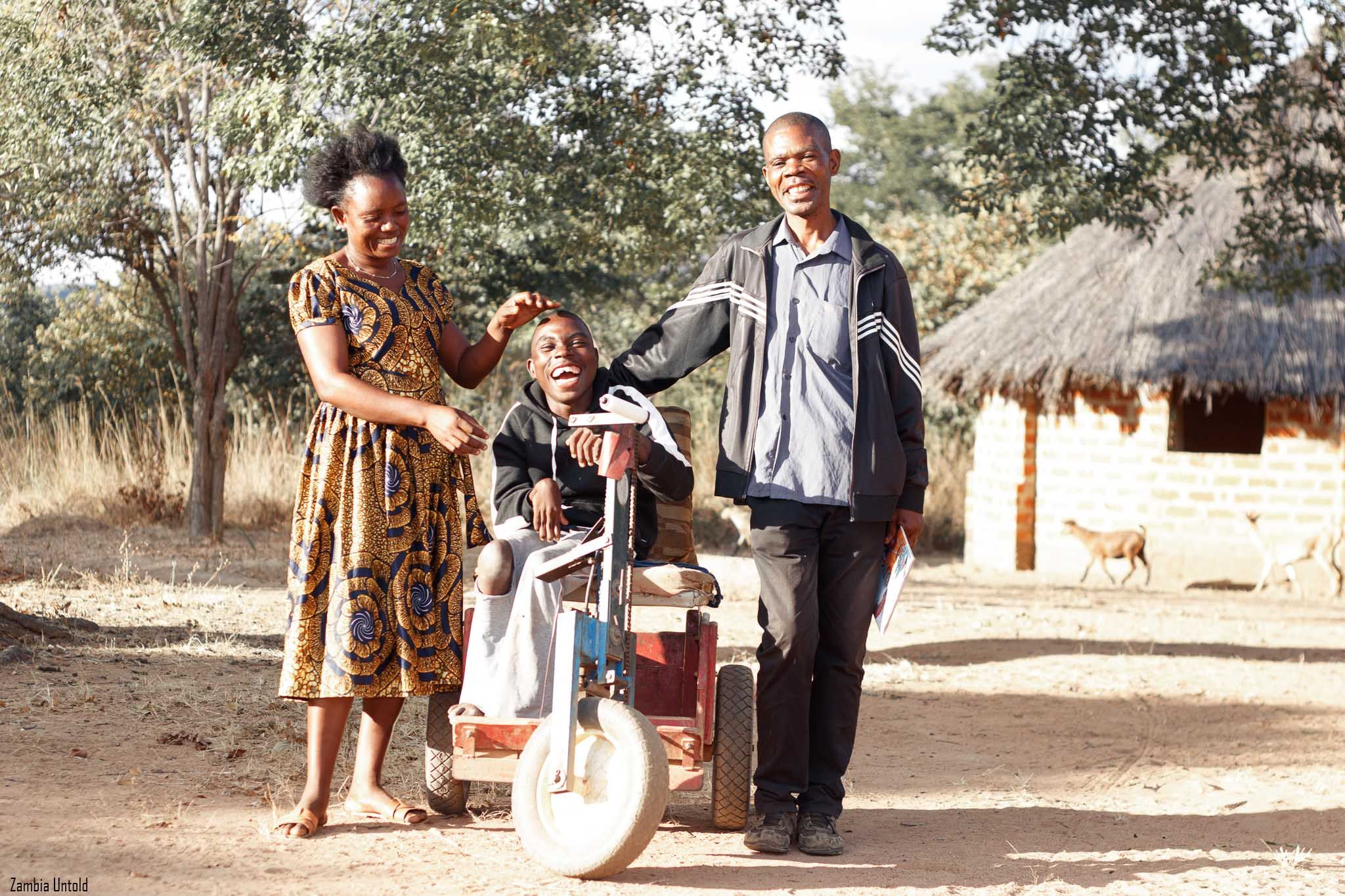
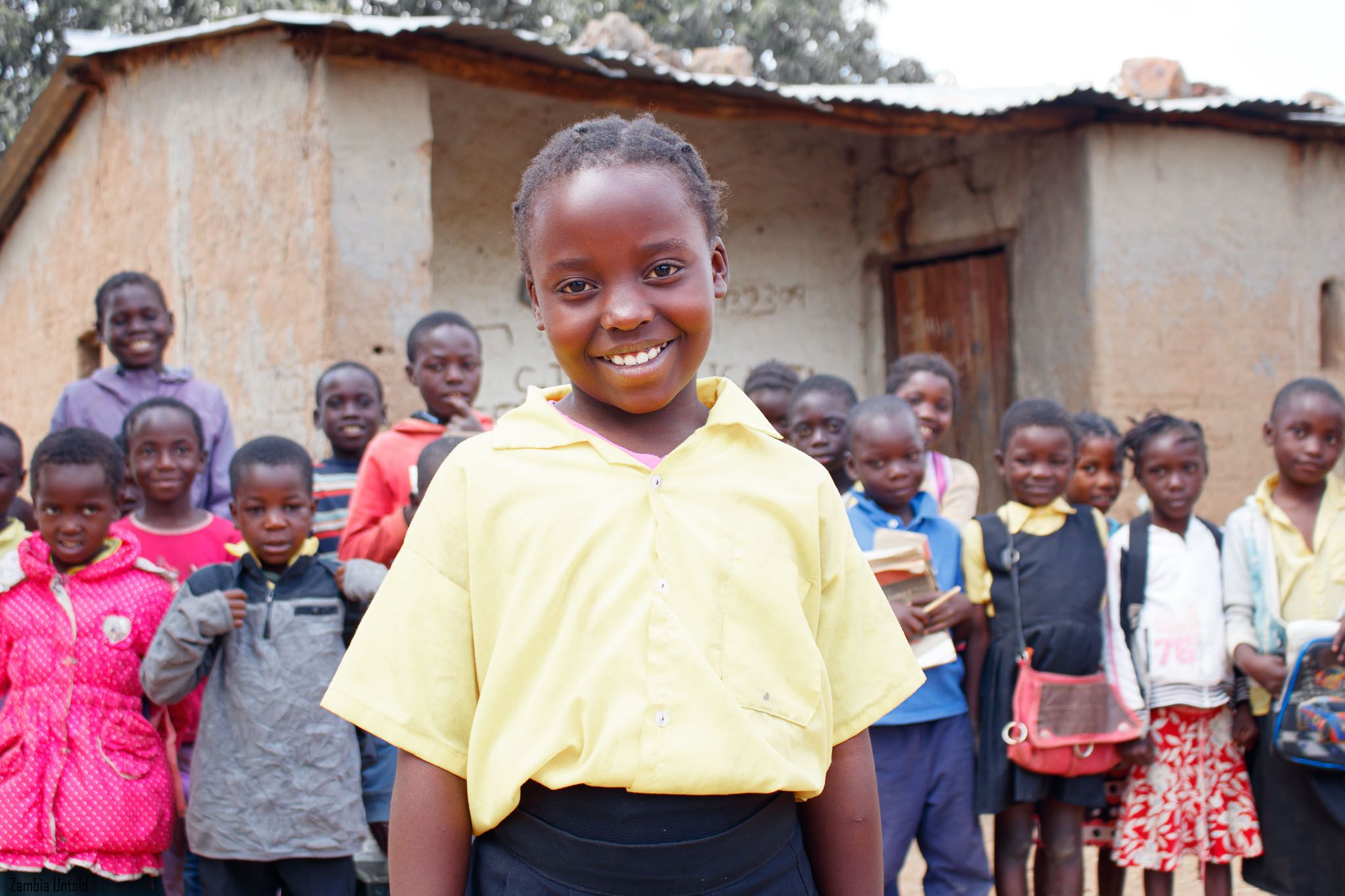
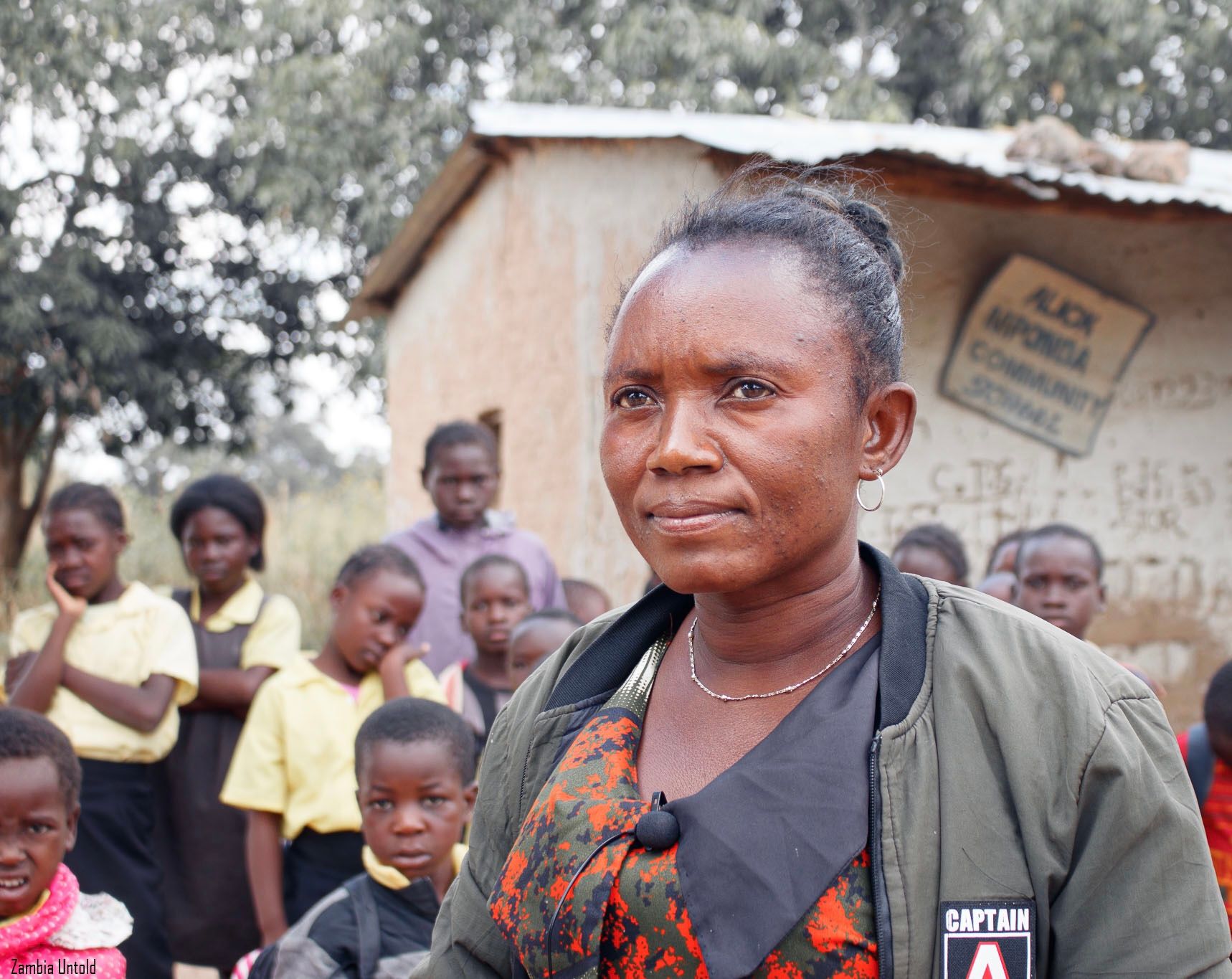
When every school in the area turned away her son Warren, Gladys Mponda did something nobody expected: she opened one herself. No teaching certificate. A handful of secondhand textbooks. Her own house, repurposed into a classroom. And in that house, Mponda Community School was born. A place for children who were differently abled, or whose families simply couldn't afford the fees at government schools.
"I felt I just couldn't let him waste away in the village when I could offer him an education instead."
Asset-Based Community Development
That same spirit of refusing to accept limitations has defined how Gladys and her husband, senior headman Mponda, now lead their community under BLC's Asset-Based Community Development (ABCD) model. The approach is straightforward in principle: mobilise community members to drive their own development using local resources, rather than waiting for outside solutions.
A different kind of support
Before BLC came into the picture, the Mpondas were already leading. What they lacked was backing. Knowledge. Tools. A stipend that made the work sustainable rather than an endless personal sacrifice. BLC provided all of that, not by taking over, but by strengthening what was already there.
The effect was almost immediate. As residents began seeing real change in their daily lives and their incomes. Their trust in local leadership grew. People followed rules more readily. New ideas gained traction faster. The Mpondas weren't just headman and wife anymore; they had become the visible proof that their community could move.
"Our impact as leaders has increased. People have seen what we do, they've felt a change in their lives and in their pockets."
From kitchen table to registered NGO
What started as an informal group eventually outgrew its informality. In 2025, the Mponda Core Group registered as the Communal Service Society, a legally recognised NGO under Zambian law. The registration matters in practice: it allows the group to work with other organisations as a partner in its own right.
It also brought something into the open. Many members grew up in a culture of traditional leadership, where decisions tend to be made for people rather than with them. Together with the Southern African Wildlife College, BLC set up a training programme to work on exactly that. Two of the four sessions have been completed.
So far the change has happened inside the group rather than out in the villages. Members describe more trust and more harmony among themselves than before the training started. Activities in the Seniority have been limited in the months since, so the new way of leading has had little chance yet to prove itself in front of the community. The two remaining sessions are aimed at that step.
Still becoming
The work isn't finished. It was never meant to be finished quickly. Transferring genuine ownership - the kind that sticks, doesn't collapse the moment outside support steps back - takes time, capacity, and trust built slowly.
Gladys knew that when she opened a school in her own house. She knows it still.
Project at a glance
Location
Rural Zambia
Programme phase
Phase 8: Transfer of Ownership
Objective
Mobilise communities to drive their own development through facilitation and capacity building
Legal milestone 2025
Communal Service Society is registered as a community NGO under Zambian law
Capacity building partner
Southern African Wildlife College (SAWC)
Support provided
- Knowledge training
- Phones
- Stipends
- Bicycles